Maintaining a plumbing system is not just a matter of fixing leaks or unclogging drains when they arise. Regular inspections and maintenance are essential components of a robust plumbing strategy, especially in cities like Minneapolis, MN, where seasonal fluctuations can impact system performance. Establishing a systematic approach to scheduled plumbing inspections helps homeowners avoid costly repairs and extend the lifespan of their plumbing systems.
Understanding the Importance of Scheduled Plumbing Inspections
Scheduled plumbing inspections serve as preventive measures that identify potential issues before they escalate into significant problems. A proactive approach to plumbing maintenance can prevent water damage, reduce emergency repairs, and ultimately save money over time. For instance, small leaks that go unnoticed can lead to mold growth or structural damage, which may require extensive remediation.
Moreover, having an effective plumbing maintenance program in place not only ensures compliance with local regulations but also enhances the value of your property. Potential buyers appreciate homes that have received regular upkeep, including documented plumbing inspections. A comprehensive inspection can cover various aspects such as pipe integrity, water pressure levels, and fixture functionality.
Crafting Your Plumbing Maintenance Schedule
Creating a successful schedule for routine plumbing maintenance requires careful planning and consideration of several factors. Begin by assessing the age and condition of your current plumbing system. Older systems may need more frequent inspections due to wear and tear.
Next, consider seasonal changes that could impact your plumbing. In Minneapolis, freezing winter temperatures pose unique risks such as frozen pipes or ice dams. Scheduling plumbing service plan an inspection before winter sets in can help mitigate these risks significantly.
Establish a timeline for inspections based on these considerations. A common approach is to schedule at least one thorough inspection annually; however, depending on your specific circumstances—such as recent renovations or heavy usage—quarterly inspections may be advisable.
Elements to Include in Your Inspection Schedule
When setting up your inspection schedule, ensure it includes critical elements that will provide a comprehensive overview of your plumbing system:
Pipe Condition: Inspect for signs of corrosion or leaks. Water Heater Performance: Ensure efficiency and check for sediment buildup. Drainage Systems: Assess the condition of drains and clean out any blockages. Fixture Functionality: Check faucets, toilets, and other fixtures for leaks or inefficiencies. Sump Pump Operation: Test sump pumps to confirm they are functioning correctly before heavy rains.Incorporating these elements into your annual plan ensures you cover all bases during each inspection.
Utilizing Technology for Effective Management
Technology has revolutionized how we manage home maintenance schedules including plumbing inspections. Various apps and software programs allow homeowners to track appointments easily while sending reminders when it's time for an inspection or maintenance task.
Consider using digital tools that offer features such as tracking past service records, managing warranties on fixtures or appliances, and even scheduling future appointments directly through the platform. This level of organization not only keeps you informed but also helps streamline communications with your plumbers in Minneapolis.
Partnering with Professional Plumbers
While some homeowners may feel comfortable conducting basic checks themselves, certain aspects require professional expertise. Building relationships with qualified plumbers who understand local codes and best practices is crucial.
When selecting a plumber for routine maintenance:
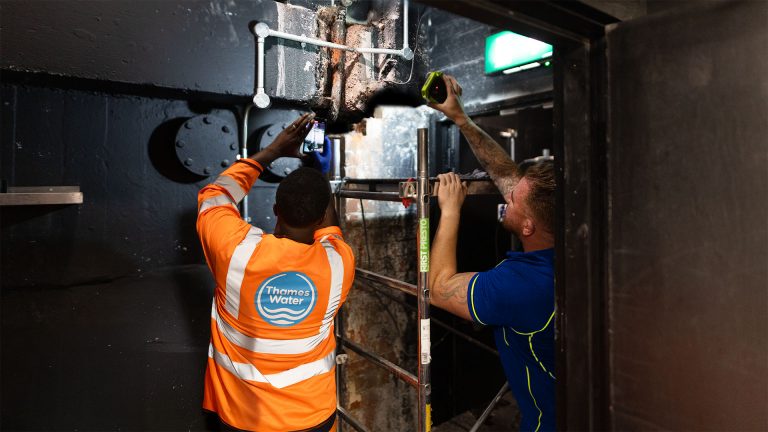
- Look for certifications and licenses. Read reviews from other customers. Ask about their experience with scheduled plumbing maintenance programs. Discuss service plans that include regular inspections at discounted rates.
By partnering with professionals who prioritize preventive care, you gain access to insights that might not be apparent during casual observations.
Creating a Comprehensive Plumbing Service Plan
A well-crafted plumbing service plan should encompass various aspects beyond mere scheduling—it should include details about what services will be performed during each visit and at what cost.
Your plan should outline:
- What specific inspections will be conducted? Any additional services included (e.g., cleaning drains). Payment structures—whether it’s per visit or part of a subscription model. Warranty coverage details on parts replaced during service visits.
Establishing this clarity helps avoid misunderstandings about costs while ensuring both parties know what to expect.
Documenting Your Inspections
Keeping thorough documentation is vital not only for maintaining your own records but also for enhancing transparency when working with contractors or potential buyers down the line.
Create a file—digital or physical—that contains:
- Copies of inspection reports. Notes on any repairs made. Recommendations provided by your plumber. Receipts related to services rendered.
This documentation acts as evidence of responsible ownership while providing valuable information if issues arise later on.
Staying Informed About Local Regulations
In addition to keeping track of scheduled plumbing inspections, understanding local regulations regarding plumbing standards is crucial in Minneapolis and surrounding areas. Changes in city codes may affect how often certain systems must be inspected or updated materials used in affordable plumbing system maintenance repairs.
Regularly consult city resources or engage with local plumbers who are knowledgeable about current regulations affecting residential properties in Minneapolis. Staying informed helps ensure compliance while also protecting yourself from liability should legal issues arise due to insufficient upkeep.
Engaging Family Members
Plumbing maintenance shouldn't fall solely on one person's shoulders within a household; engaging family members can foster teamwork while ensuring everyone understands their role in maintaining the home's systems effectively.
Discuss the importance of scheduled inspections openly within your household:
- Assign responsibilities such as monitoring water usage. Designate someone to manage appointment scheduling. Encourage everyone to report unusual sounds from pipes or changes in water pressure immediately so issues can be addressed promptly.
Creating this culture around proactive home care not only keeps everyone invested but also educates younger generations about responsible home ownership practices.
Conclusion: The Long-Term Benefits
Implementing best practices for keeping track of scheduled plumbing inspections pays dividends over time through enhanced efficiency and peace of mind knowing you have taken steps toward protecting one of the most critical systems in your home—the plumbing system itself.
By crafting personalized schedules based on individual needs while leveraging technology alongside professional support networks like qualified plumbers in Minneapolis MN , homeowners position themselves favorably against potential disasters brought on by neglectful practices surrounding their vital infrastructure .
Ultimately , investing effort into planned preventive care now leads towards long-term savings along with better living conditions throughout those chilly Minnesota winters .